The Emotional Drivers of High-Stakes Gambling
High-stakes gambling is a captivating phenomenon that deeply intertwines with human emotions. The adrenaline rush that accompanies placing large bets creates an exhilarating atmosphere that can be both enticing and perilous. Gamblers often find themselves drawn to the thrill of risk-taking, seeking the excitement that comes with the possibility of a significant win, such as at a $10 neosurf casino australia where the stakes are high. This emotional high can create a cycle of addiction, where the anticipation of winning overshadows the harsh realities of loss, leading to a complex emotional landscape that defines their gambling experience.
Moreover, the social aspects of gambling play a pivotal role in influencing emotions. High-stakes gamblers frequently engage in shared experiences with fellow players, creating bonds that enhance the overall excitement. Celebrating wins together or sharing in the agony of losses fosters a sense of community that can be hard to replicate elsewhere. This social interaction not only intensifies emotions but also serves as a motivating factor that compels individuals to continue gambling, hoping for both personal and communal success.
The perception of control is another significant emotional driver within high-stakes gambling. Many gamblers believe they possess unique insights or skills that can influence the outcomes of games. This illusion of control can spark a heightened emotional state, where the excitement of gameplay can lead to impulsive decisions. The interplay of emotions—ranging from exhilaration to anxiety—can create a volatile environment where rational decision-making becomes increasingly difficult, further complicating their gambling behavior.
The Cognitive Biases at Play
Cognitive biases significantly shape the decision-making processes of high-stakes gamblers, often leading them down a path of irrational choices. One of the most prevalent biases is the “gambler’s fallacy,” which is the erroneous belief that past events can influence future outcomes. For instance, if a player has experienced a series of losses, they may wrongly assume that a win is imminent, prompting them to increase their bets in hopes of recouping losses. This misunderstanding of probability can result in substantial financial repercussions, as gamblers become ensnared in a cycle of betting without acknowledging the independence of each game’s outcome.
Another critical bias is the “illusion of control.” High-stakes gamblers often overrate their ability to affect random outcomes, believing that their strategies or instincts can lead to victories. This cognitive distortion can encourage reckless betting behavior, particularly when gamblers experience a streak of wins, reinforcing their false sense of agency. This perceived control can lead to greater risk-taking, drawing individuals deeper into gambling as they chase their perceived mastery over chance.
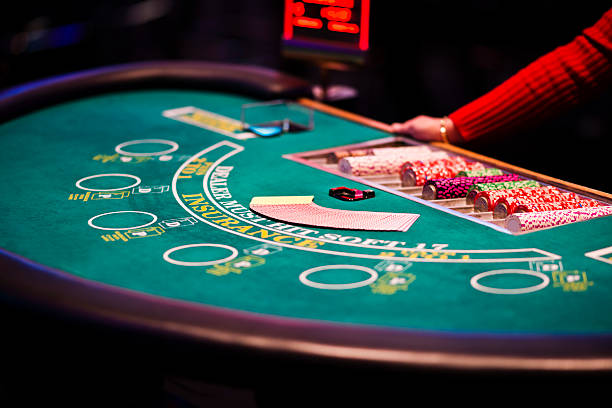
The “near-miss effect” is yet another cognitive bias that significantly impacts high-stakes gamblers. Close calls—where players come tantalizingly close to winning but ultimately lose—can create a false sense of encouragement. Gamblers may interpret these near-wins as signs that victory is just around the corner, prompting them to continue playing despite losses. This effect can prolong gambling sessions and lead to escalating stakes as individuals chase the elusive feeling of a win, perpetuating a cycle that is difficult to break.
The Role of Environment and Design in Decision-Making
The casino environment is meticulously designed to captivate and engage high-stakes gamblers, creating an atmosphere that can significantly influence decision-making. Bright lights, vibrant colors, and enticing sounds create an immersive experience that distracts players from rational thought. This sensory overload can impair judgment, making it challenging for gamblers to focus on their strategies or financial limits. The casino’s ambiance is deliberately engineered to prolong engagement, often resulting in increased spending as gamblers become entranced by the overall experience.
Moreover, the spatial design of casinos plays a crucial role in promoting high-stakes gambling. High-limit gaming areas are often secluded and opulent, creating an exclusive ambiance that encourages players to bet larger sums. This design can create a psychological barrier, making it harder for gamblers to leave these enticing spaces. The allure of luxury and exclusivity draws high-stakes players deeper into the gambling experience, reinforcing their emotional investment and diminishing their inclination to walk away.
Additionally, promotional strategies and loyalty programs are strategically implemented to stimulate high-stakes gamblers. These initiatives can create a skewed perception of gambling as a financially beneficial activity. By offering rewards and incentives, casinos encourage players to escalate their bets to gain access to exclusive perks. The combination of environmental design and psychological manipulations fosters a climate where high-stakes gamblers are more likely to make impulsive and less rational decisions, further entrenching them in their gambling habits.
Understanding the Impact of Losing Streaks
The psychological ramifications of losing streaks can be profound for high-stakes gamblers. Often, these individuals engage in “chasing losses,” where they feel compelled to increase their bets in an effort to recover their lost funds. This behavior is fueled by denial and a desire to regain a sense of control over their situation. The emotional turmoil associated with consecutive losses can make it increasingly difficult for gamblers to make rational decisions about their gameplay, leading them deeper into a cycle of loss.

The pressure to recover from losses can create a downward spiral, where the stakes become higher than originally intended. The social dynamics within casinos can exacerbate this pressure, as the presence of other players may compel individuals to maintain a facade of confidence. High-stakes gamblers often feel the need to project an image of success, pushing them to take riskier bets in front of peers. This social scrutiny can intensify the emotional stakes, making it harder for individuals to step away from the gaming table.
Moreover, the aftermath of losing can lead to significant emotional distress. High-stakes gamblers may experience feelings of shame, guilt, and anxiety, grappling with the financial and relational consequences of their behavior. This emotional struggle can perpetuate a harmful cycle, as individuals may turn to gambling as a means of escaping their distress. Addressing these psychological issues is vital for those engaged in high-stakes gambling, as understanding the emotional impact of losses can be a crucial step toward recovery.
Exploring Resources and Support for Gamblers
Given the psychological complexities of high-stakes gambling, various resources are available to support individuals facing gambling addiction. Many casinos now offer counseling services and helplines aimed at helping gamblers understand their behaviors and seek professional help. These services provide a safe environment for individuals to discuss their challenges and create actionable plans for change, emphasizing the importance of recognizing problematic gambling patterns.
Community organizations and support groups also play a vital role in providing assistance to high-stakes gamblers. These groups foster a sense of connection and understanding among individuals who have faced similar struggles. Sharing experiences and coping strategies can empower gamblers to make informed decisions regarding their habits. This communal support is critical in combating the isolation that often accompanies gambling addiction, creating a network of understanding and encouragement.
Education is another key component in the prevention and recovery of gambling-related issues. Numerous organizations focus on raising awareness about the psychological underpinnings of gambling and the potential dangers of high-stakes betting. By informing individuals about cognitive biases and emotional triggers, these initiatives can promote more mindful gambling practices. Encouraging responsible gambling behavior is essential for individuals to acknowledge their limits and engage with gambling in a healthier, controlled manner.

